
December 12, 2025
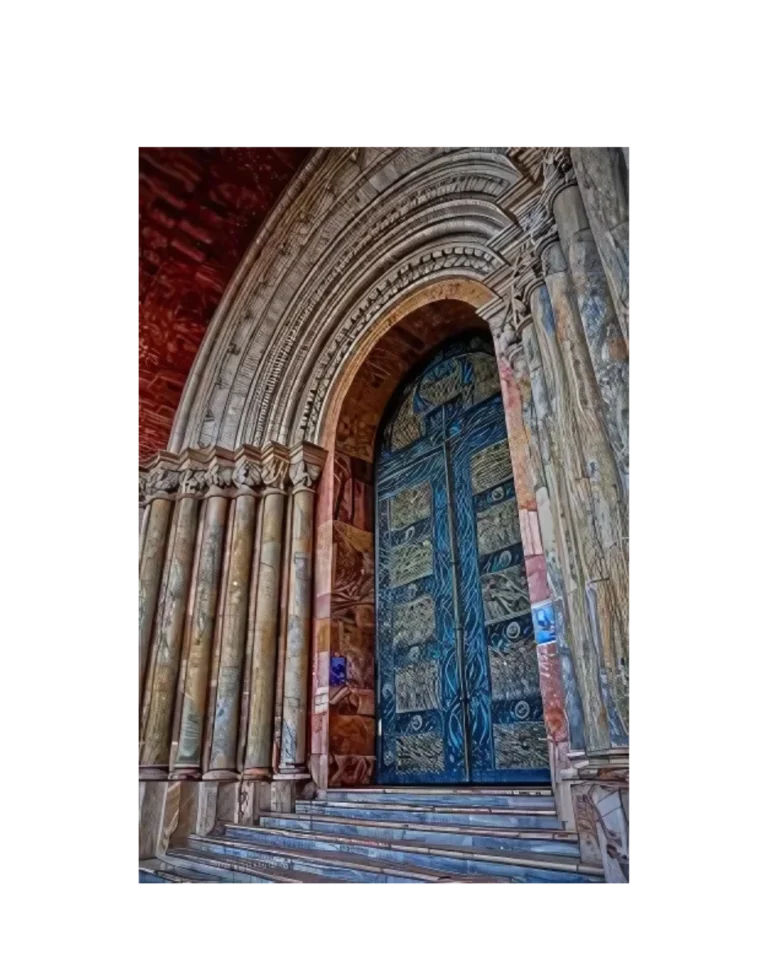
Replacing church doors is a major decision for any congregation. A church door affects the building’s security, accessibility and visual presence, and it shapes the experience of every visitor who enters. Understanding the key factors churches should consider before replacing their doors helps committees, trustees and building teams choose an entrance that will serve their community for many years.
Proper planning starts with accurate measurements, strong material selection, safety code compliance and long term maintenance considerations. These elements support performance and help ensure the new door meets modern standards for public buildings. According to NFPA, places of assembly such as churches must follow strict egress and fire door guidelines to protect occupants during emergencies. ADA guidelines also require specific clearances and hardware placements to maintain accessibility for all visitors.
This guide outlines the most important steps churches should review before ordering a replacement door and answers the common questions often raised during renovation or restoration projects.
Measurement errors are one of the most common causes of project delays. Church doors are often larger than residential doors, and historic buildings may have shifted over time. Accurate measurements ensure the new door fits properly and performs as expected.
Church entrances can include arched frames, wide thresholds or custom jambs. The following details should be recorded:
Professionals typically measure at three points on both the width and height to check for natural settling. This helps avoid surprises when the new door arrives.
A door that matches the opening prevents drafts, uneven pressure and premature hardware stress. A correct fit also supports energy performance, improves security and ensures the door operates smoothly. Made to fit solutions offer the highest accuracy and reduce the need for on site corrections.
Climate is an important factor when choosing a new church door. Environmental conditions influence durability, maintenance frequency and the longevity of finishes.
Here are common concerns based on region:
Climate awareness helps church committees select materials that will resist the specific conditions around their building.
Common church door materials include:
Each material has strengths. Wood gives classic character, iron adds strength, steel is resilient and fiberglass is practical for harsh climates. The best choice depends on the building style and environmental exposure.


Church buildings serve large groups of people, which means safety codes play an important role in the door selection process.
NFPA outlines egress and fire door requirements for public spaces to ensure safe evacuation during emergencies. These standards include:
Proper compliance avoids failed inspections and ensures the door supports emergency procedures.
Accessibility ensures that all visitors can enter the building smoothly. ADA.gov provides guidelines for:
Required clear width for entry doors
Lever handle requirements instead of knobs
Maximum threshold height
Adequate space around the door for mobility devices
Following accessibility standards is not only a compliance requirement but also an important part of welcoming every member of the community.
Churches often operate as open community spaces, yet they still need strong security to protect equipment, valuables and historical elements inside the building.
Common security enhancements include:
Reinforced strike plates
Grade 1 commercial quality hinges
Heavy duty deadbolts
Multi point locking systems for double doors
Security rated or tempered glass
These features increase the strength of the entry and reduce the risk of forced entry.
Security does not have to take away from the beauty of the door. Churches often choose:
Decorative hinge straps
Wrought iron grills over glass
Hidden security bolts
Custom carvings that incorporate reinforced materials
This approach keeps the door visually aligned with the architecture while improving safety.

Maintenance planning helps a church budget for future needs and extend the lifespan of its new door.
Material maintenance varies:
Understanding these needs helps committees choose a door that matches their maintenance resources.
Common signs of needed replacement include:
Replacing a door at the right time prevents heat loss, security issues and ongoing repair expenses.
Awareness of these points helps a project run smoothly and prevents costly errors.
Incorrect dimensions cause delays and additional costs. Always measure first, then explore design options.
A material that performs beautifully in one region may struggle in another. Matching materials to the environment improves lifespan.
Hardware affects accessibility, security and functionality. Handles, hinges and locking systems should be chosen with long term performance in mind.
Code issues discovered after installation can require expensive corrections. Early review prevents complications.
Understanding the timeline helps teams plan the project around services and events.
A typical church door replacement follows this timeline:
Production time varies by product and design complexity, so every quote includes a specific timeline for your order. Doors arrive pre-hung and ready for your contractor to install.
Church doors do more than open and close. They set the visual tone for a place of worship and reflect the architectural identity of the building. When replacing old doors, the new design should complement both the exterior façade and the interior entryway.
Older churches may follow Gothic, Romanesque, Colonial or Craftsman inspired designs. Modern sanctuaries often prefer clean lines and minimal detail. When evaluating replacement doors, consider:
A door that suits the architectural style maintains visual harmony and honors the building’s heritage.
Some churches have unique openings or signature designs that cannot be matched with standard door sizes. Custom doors are especially useful when:
A custom design ensures the door enhances the building rather than overpowering or mismatching it.
Budget plays a significant role in church renovation decisions. A replacement door project involves more than the cost of the door itself. Planning early helps avoid unexpected expenses.
Church door pricing can vary widely depending on:
Understanding these variables helps committees create a realistic budget range before final selection.
By planning ahead, churches can:
A well planned budget ensures the replacement door is both high quality and financially manageable.
Preparing the building before installation helps avoid delays and ensures a smooth process.
Proper preparation includes:
These simple steps reduce interruptions and help installers complete the project efficiently.
Churches can plan installation during:
Clear communication with congregation members and staff keeps everyone informed during the renovation.
Measurements, material choice, climate conditions, building code requirements and security features all play an important role in selecting the right replacement.
Measure width and height at three points, record frame depth, check threshold condition and verify swing direction. Arched entries require an added radius measurement.
Yes. ADA.gov outlines accessibility requirements while NFPA provides fire safety standards for public buildings
From design approval to delivery, most custom church doors take 16 to 17 weeks. Add roughly 2 to 4 weeks before that for design consultation, measurements, and final approval. Installation by your local contractor is usually completed in 1 to 2 days.
Churches should consider the style of the building, any existing arch shapes, panel patterns and symbolic carvings. The door should complement the façade and maintain the visual identity of the sanctuary.
Churches can prepare by clearing the entry area, removing decorations, checking surrounding walls and scheduling installation during quiet periods. Proper preparation ensures a smooth process for both installers and staff.
Replacing a church door is more than a simple upgrade. It involves technical measurements, careful material selection, climate considerations, compliance with safety codes, the right security features and awareness of long term maintenance needs. Architectural compatibility, budgeting and proper installation planning also play important roles in achieving a successful project.
By understanding these factors, church leaders can make confident decisions that enhance both the beauty and functionality of their building. A thoughtful approach ensures the new entrance remains safe, durable and welcoming for decades.
Related Articles
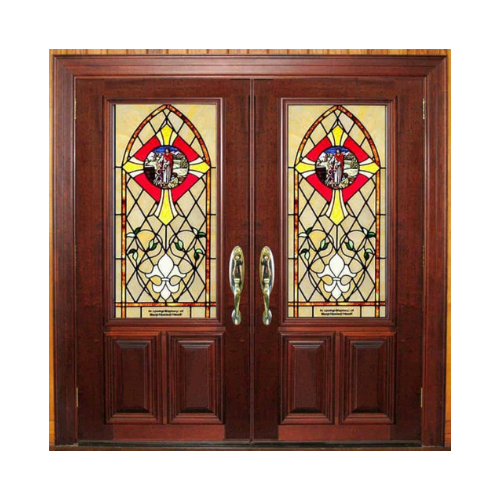
Exterior Church Door Replacement: Complete Guide, Costs, Materials, and Custom Solutions for Churches


Member National Association of Home Builders (NAHB)


