June 3, 2026
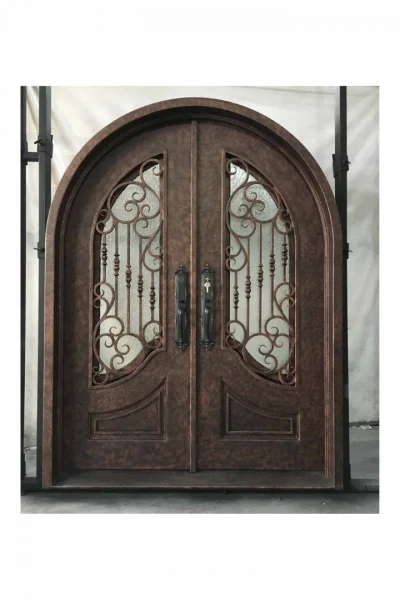
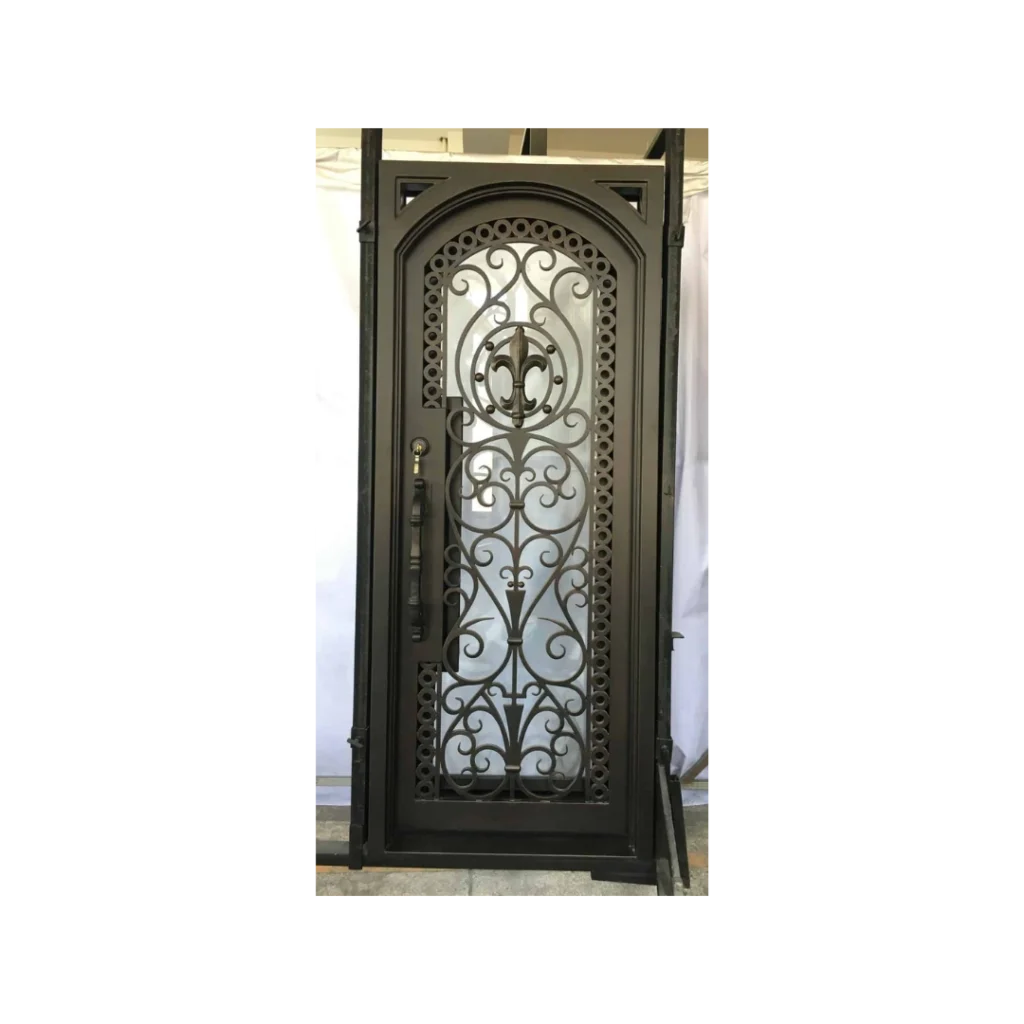
A custom arched wrought iron double door with decorative scrollwork and a durable protective finish designed to resist rust, weather exposure, and long-term wear.
Wrought iron doors can stay beautiful and rust resistant for decades with proper maintenance. The best way to prevent rust on wrought iron doors is through regular cleaning, protective coatings, quick touch-up repairs, and seasonal inspections. These simple steps help keep moisture away from exposed metal surfaces.
High-quality finishes also make a major difference. Powder coating and multi-layer primer systems provide stronger protection against corrosion, especially in humid or coastal climates where moisture exposure is more aggressive.
Key Takeaways
Many homeowners think wrought iron doors require constant upkeep. In reality, most rust prevention comes down to simple routine care and fixing small issues early.
In this guide, you’ll learn:
Wrought iron doors can stay beautiful for decades with proper maintenance. Regular cleaning, protective coatings, touch-up paint, and seasonal inspections help prevent moisture and salt exposure from causing rust. High-quality finishes like powder coating and primer systems provide stronger long-term protection, especially in humid or coastal climates.
Wrought iron doors rust when moisture and oxygen reach exposed metal over time. Even durable exterior iron doors can develop corrosion if protective finishes become damaged or moisture remains trapped on the surface.
Rust usually starts in small damaged areas such as scratches, chipped paint, or worn sealants. Once water reaches exposed iron, oxidation begins and corrosion can spread beneath the finish.
Rust forms faster during long “time-of-wetness” periods. This refers to how long a surface stays damp after rain, humidity, or condensation. Hinges, bottom rails, welds, and decorative scrollwork often hold moisture longer than flat panels.
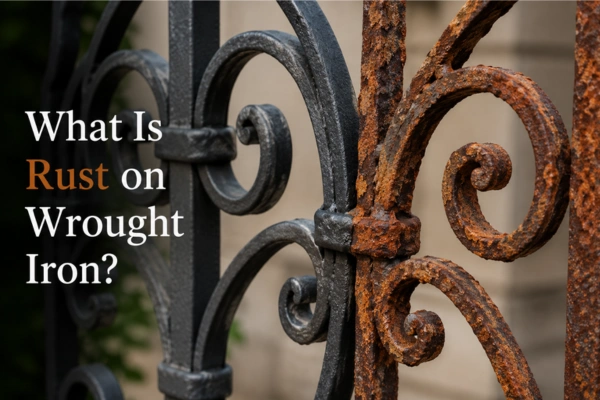
A side-by-side view of protected and rusted wrought iron, illustrating how corrosion develops when moisture reaches exposed meta
Definition: Rust is a form of corrosion that develops when iron reacts with moisture and oxygen over time. On wrought iron doors, rust often starts in scratched, chipped, or poorly sealed areas where water reaches exposed metal.
Rust is more than surface discoloration. It is a chemical reaction that slowly weakens exposed iron when protective finishes fail or moisture remains trapped too long.
Small damaged areas are usually the first place rust appears. Common trouble spots include hinges, bottom rails, welds, decorative scrollwork, and chipped paint edges where water collects more easily.
Moisture, salt air, and long exposure to humidity can gradually break down protective coatings. Once the finish becomes compromised, corrosion can spread beneath the surface and cause bubbling paint, pitting, or flaking.
Modern wrought iron doors are designed for exterior durability and long-term performance. High-quality coatings and proper maintenance help protect the metal from corrosion and reduce long-term rust risks significantly.
Catching rust early makes repairs easier and far less expensive. Regular inspections help homeowners stop corrosion before it spreads beneath the finish or damages the metal structure.
Small surface changes are often the first warning signs. Moisture usually attacks damaged or vulnerable areas before major rust becomes visible.
Bubbling or lifting paint is one of the earliest signs of corrosion. This happens when moisture becomes trapped beneath the coating and starts breaking down the metal underneath.
As rust expands, the paint may blister, crack, or peel away from the surface. Orange or reddish discoloration is another common warning sign.
These spots often appear around:
Humid and rainy climates increase the risk because moisture stays on the surface longer after storms or condensation.
Some areas of wrought iron doors are more vulnerable because they collect water more easily or experience constant wear.
The most common first-failure points include:
Routine inspections every few months help homeowners catch these issues before corrosion turns into expensive structural repairs.

Single Custom Wrought Iron Door

Single Custom Wrought Iron Door
Preventing rust starts with consistent maintenance and moisture control. Small preventative steps help protect the finish and reduce the risk of expensive refinishing or structural repairs later.
Clean the door using mild soap, warm water, and a soft cloth. This removes dirt, dust, salt residue, and trapped moisture before corrosion begins.
Avoid abrasive pads, bleach, ammonia, or harsh cleaners. These products can damage protective coatings and weaken the finish over time.
After cleaning, dry the entire surface thoroughly. Pay extra attention to hinges, corners, welds, and decorative details where water tends to collect.
Small scratches and chipped paint are common starting points for rust. Once moisture reaches exposed metal, corrosion can spread beneath surrounding paint and coatings.
Inspect the door every few months, especially after storms or seasonal weather changes.
Focus on:
Early touch-up repairs prevent larger corrosion problems later.
Sealants and waxes create an extra barrier against moisture exposure. This protection is especially important in humid, rainy, or coastal climates.
Homes near the ocean often require more frequent reapplication because salt air accelerates corrosion and finish wear.
Repair scratches, chips, and small rust spots quickly. Sand the damaged area lightly, apply a rust-inhibiting primer, and use exterior-grade touch-up paint for metal surfaces.
Minor repairs are usually manageable for homeowners. Larger corrosion issues or peeling coatings may require professional refinishing.
Water commonly collects around hinges, thresholds, bottom rails, and decorative welds. These areas stay wet longer than flat surfaces and are often the first places rust appears.
Check drainage paths regularly and make sure door sweeps and thresholds work properly. Inspect the door after heavy rain to catch standing water or early finish damage quickly.
The finish on a wrought iron door plays a major role in preventing rust and extending the metal’s lifespan. High-quality coatings help block moisture, oxygen, salt, and humidity from reaching exposed iron surfaces.
Different finish systems offer different levels of durability, maintenance, and weather resistance. The best choice depends on climate exposure, daily wear, and long-term maintenance expectations.
Powder coating is one of the most durable and low-maintenance finishes available for wrought iron doors. The coating is heat-cured, creating a hard protective shell that resists moisture, scratches, and UV exposure better than standard paint systems.
This finish is commonly used on premium custom iron doors because it provides strong long-term corrosion resistance while maintaining a smooth, consistent appearance.
Powder-coated doors still require occasional cleaning and inspections, but they usually need less maintenance than traditional painted finishes.
Primer and topcoat systems use multiple protective layers to defend against corrosion. The primer protects exposed metal underneath, while the topcoat shields the surface from moisture, sunlight, and wear.
These systems perform especially well in:
Multi-layer coatings often last longer than single-layer paint applications because they provide stronger moisture protection over time.
Wax and oil finishes are often used for decorative wrought iron applications because they enhance texture, patina, and handcrafted detailing.
However, these finishes require more frequent maintenance and reapplication. They offer less protection in humid or rainy environments compared to powder-coated or multi-layer systems.
They are generally better suited for:
Finish Type | Durability | Maintenance Level | Best For | Climate Suitability |
Powder Coating | High | Medium | Long-term protection | Humid & coastal |
Primer + Topcoat | High | Medium | Long-term protection | All climates |
Wax or Oil Finish | Medium | High | Decorative finishes | Dry climates |
Paint Only System | Medium | Medium | Budget maintenance | Mild climates |
Powder coating is one of the strongest protective finishes for exterior wrought iron doors. It creates a durable barrier that resists moisture, scratches, salt exposure, and weather damage better than standard paint systems.
Many premium custom iron doors use powder-coated finishes because they provide long-term durability with lower maintenance requirements.
Primer and topcoat systems offer strong multi-layer protection. These systems perform especially well in humid, rainy, or coastal environments where corrosion pressure is more aggressive.
They are commonly recommended for:
Wax and oil finishes are more decorative and require more frequent upkeep. They enhance handcrafted textures and patina but provide less protection in wet or humid environments.
Paint-only systems can still perform well with proper maintenance. However, coating integrity matters more than coating type alone. Even high-quality finishes can fail if scratches, chips, or exposed metal remain untreated.
Small rust spots are much easier to repair before they spread deeper into the metal. Early repairs help protect the finish and prevent larger structural damage later.
Before starting, gather basic materials designed for exterior metal repair.
Recommended supplies:
Using products made for metal surfaces improves adhesion and long-term corrosion protection.
Most minor surface rust can be repaired with a simple maintenance process. Acting quickly helps stop corrosion from spreading beneath surrounding paint.
Follow these steps:
Quick touch-up repairs help stop moisture from reaching exposed iron.
Some corrosion problems require professional refinishing or restoration instead of basic DIY repair.
Professional repair may be needed for:
These signs often indicate deeper coating failure or long-term moisture exposure that requires advanced repair methods.
Wrought iron doors face different weather conditions throughout the year. Seasonal maintenance helps prevent rust, protect finishes, and extend the life of the door before small issues become expensive repairs.
Regular inspections also help homeowners catch trapped moisture, damaged coatings, and early corrosion before the problem spreads.
Humid weather and heavy rain keep metal surfaces wet longer. This increases corrosion risk, especially around hinges, bottom rails, and decorative details.
Focus on:
Frequent inspections during humid months help stop rust early.
Coastal homes require more aggressive maintenance because salt air accelerates corrosion. Salt particles settle on metal surfaces and attract moisture even after the door appears dry.
Recommended coastal maintenance:
Routine cleaning is especially important for oceanfront homes exposed to sea mist and wind-driven salt.
Cold weather can also create moisture-related corrosion problems. Rain, condensation, and ice buildup often collect around thresholds, hinges, and bottom edges during winter months.
Inspect seals regularly and remove standing moisture quickly. Preventing water from sitting on exposed metal helps reduce long-term corrosion and finish damage.
Even high-quality wrought iron doors can rust faster when routine maintenance is ignored. Most corrosion problems begin with small issues that allow moisture to reach exposed metal beneath the protective finish.
Regular care and quick repairs help prevent larger and more expensive restoration work later.
Small scratches and chipped paint often look harmless at first. However, once the coating breaks, moisture and oxygen can reach exposed iron and start spreading corrosion beneath the surrounding finish.
Early touch-up repairs are far easier than large refinishing projects. Repairing small damaged areas quickly helps stop rust before it spreads deeper into the metal.
Harsh chemicals, abrasive scrub pads, and pressure washers can damage protective coatings over time. Strong water pressure may also force moisture into seams, welds, and surface cracks where corrosion develops more easily.
For routine cleaning, use:
These methods help preserve the finish without weakening the coating system.
Many homeowners only notice corrosion after visible rust appears. Regular inspections help identify bubbling paint, chipped coatings, trapped moisture, and early rust before the damage spreads.
Inspect these areas every few months:
Storms and seasonal weather changes make inspections even more important.
Standing water increases “time-of-wetness,” allowing oxidation to continue longer on exposed metal surfaces.
Common moisture-trapping areas include:
Drying the door after heavy rain and keeping drainage areas clear can significantly reduce long-term rust risk.
Modern wrought iron doors are far more rust resistant than many homeowners expect. High-quality iron doors are engineered for exterior durability using protective coatings, factory-applied finishes, and corrosion-resistant systems designed for long-term weather exposure.
No exterior metal door is completely maintenance free. However, premium wrought iron doors can remain beautiful for decades with proper finishes and routine care.
The coating system plays a major role in protecting the door from:
Protective finishes create a barrier between the iron surface and environmental exposure. Modern wrought iron doors often use multi-layer coating systems for stronger long-term corrosion protection.
These systems commonly include:
Powder coating is especially effective for exterior iron doors. It creates a sealed surface that resists scratches, moisture, and UV exposure better than standard paint-only systems.
Factory-applied finishes also provide more consistent protection around welds, decorative scrollwork, corners, and hardware where corrosion commonly begins.
Higher-quality coating systems are especially important in humid, rainy, and coastal climates.
Before purchasing a wrought iron entry door, homeowners should ask about:
These questions help buyers choose a wrought iron door designed for long-term durability in their specific climate and environment.


No. High-quality wrought iron doors with proper coatings and regular maintenance can last for decades without significant rust issues. Rust typically develops when moisture reaches exposed metal through scratches, chipped paint, or worn protective finishes, especially in humid or coastal environments.
Most wrought iron doors should be cleaned and visually inspected every few months. Homeowners in humid or coastal climates may need more frequent maintenance because salt and moisture accelerate corrosion. Touch-up paint and sealants should be applied whenever scratches or exposed metal appear.
Powder coating combined with a primer system is one of the most effective protective finishes for wrought iron doors. Multi-layer systems help block moisture and oxygen from reaching the metal surface, improving long-term durability compared to paint-only finishes.
Yes, minor surface rust can often be repaired successfully if treated early. Sanding the affected area, applying a rust-inhibiting primer, repainting, and resealing the surface can stop corrosion before it spreads deeper into the metal.
Yes, but coastal homes require more maintenance because salt air and humidity increase corrosion risk. High-quality powder-coated finishes, regular fresh-water rinsing, and routine inspections help wrought iron doors perform much better in oceanfront and high-moisture environments.
Wrought iron doors are built for long-term durability, but proper maintenance is essential for keeping them rust resistant and visually impressive for years. Regular cleaning, protective coatings, quick touch-up repairs, and seasonal inspections all help prevent moisture from damaging the metal surface. With the right care routine, homeowners can protect both the beauty and structural integrity of their iron doors, even in humid or coastal environments.
Key takeaways:
Modern wrought iron doors are designed to withstand demanding exterior conditions when properly finished and maintained. Whether you already own an iron entry door or are considering investing in one, consistent preventative care can help preserve its appearance, performance, and value for decades.
Looking for a durable custom iron door built for long-term performance? Explore Monarch Custom Doors’ handcrafted wrought iron collections designed for beauty, strength, and lasting protection.
Related Articles


Member National Association of Home Builders (NAHB)