March 11, 2026
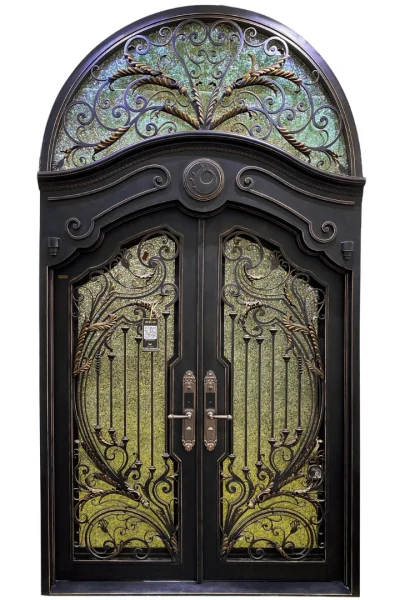
Installing a custom iron entry door is more involved than installing a typical residential door. Because iron doors are heavier, structurally reinforced, and often designed for unique architectural openings, the custom wrought iron door installation process requires careful planning and precision.
Homeowners researching high-end entryways often want to understand what happens between choosing a design and seeing the finished door installed. The process typically includes consultation, measurement, fabrication, delivery, and professional installation. Each stage plays an important role in ensuring the door fits correctly and performs well over time.
Entry doors also influence structural integrity and energy efficiency. Proper installation and sealing help reduce air leaks and maintain indoor temperature stability. According to the U.S. Department of Energy, correctly installed and weather-sealed exterior doors improve overall home energy performance and comfort.
Understanding the wrought iron door installation process helps homeowners plan their projects more effectively and know what to expect during each stage of production and installation.
The custom wrought iron door installation process involves several stages, from design consultation and precise measurements to fabrication and professional installation. Because iron doors are heavy and custom-built for specific openings, accurate planning and proper installation are essential to ensure structural stability, smooth operation, and long-term durability.
• Custom wrought iron doors follow a multi-step process from design consultation to final installation
• Accurate measurements ensure the door fits properly within the entryway
• Fabrication includes iron forging, glass installation, and protective finishing
• Professional installation secures the frame and aligns the door panels
• The complete process from design to installation can take several weeks depending on customization
If you are considering a custom entryway, browse our collection of wrought iron doors to see a range of handcrafted designs and architectural styles.
The custom wrought iron door installation process typically involves several stages, from design consultation and precise measurements to fabrication, delivery, and final installation.
The installation process typically follows these stages:
Stage | Description |
Consultation | Homeowner selects design, size, and configuration |
Measurement | Entryway is measured for exact door dimensions |
Fabrication | Door is forged, assembled, and finished |
Delivery | Completed door is transported to the installation site |
Installation | Frame and door panels are installed and sealed |
Although the steps may vary slightly between manufacturers, most custom iron door ordering processes follow this general structure.

The first stage of the custom wrought iron door process is selecting the design and configuration.
During the consultation stage, homeowners typically choose:
Design decisions also depend on the architectural style of the home. Modern homes may favor minimal geometric designs, while traditional homes often incorporate decorative scrollwork.
For inspiration and examples of different styles, see our guide to wrought iron door designs and styles, which explores modern, traditional, and decorative iron door layouts.
This stage ensures the door design aligns with both aesthetic goals and structural requirements.
Once the design is selected, accurate measurements are taken. This step is critical because custom wrought iron doors are built specifically for the dimensions of the opening.
Measurements typically include:
Precision at this stage prevents installation issues later. If the measurements are incorrect, the door may not fit properly or may require additional structural adjustments.
Accurate measurements also allow manufacturers to fabricate the door frame and hinges to match the exact opening dimensions.

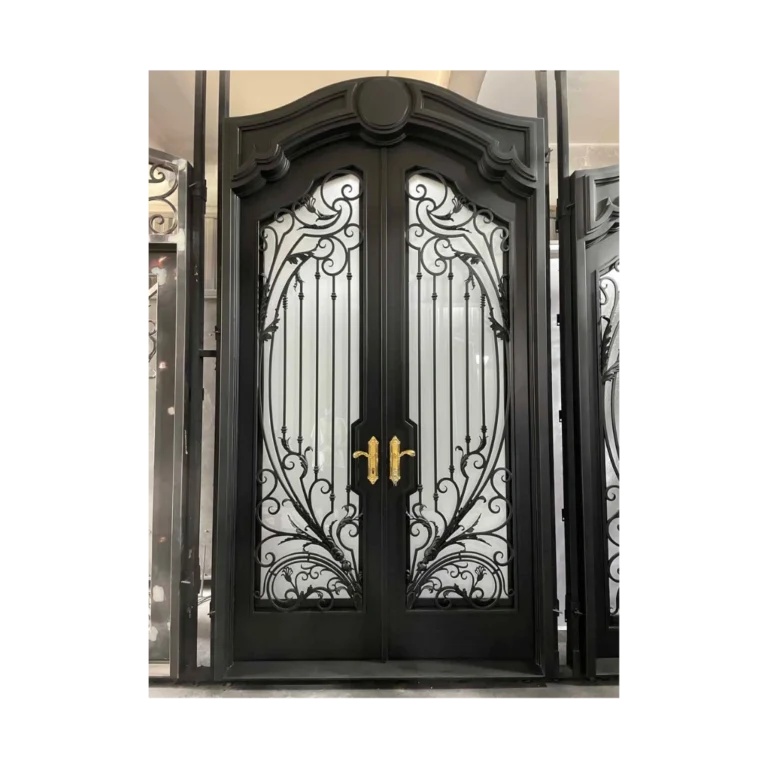
Double Custom Wrought Iron Door
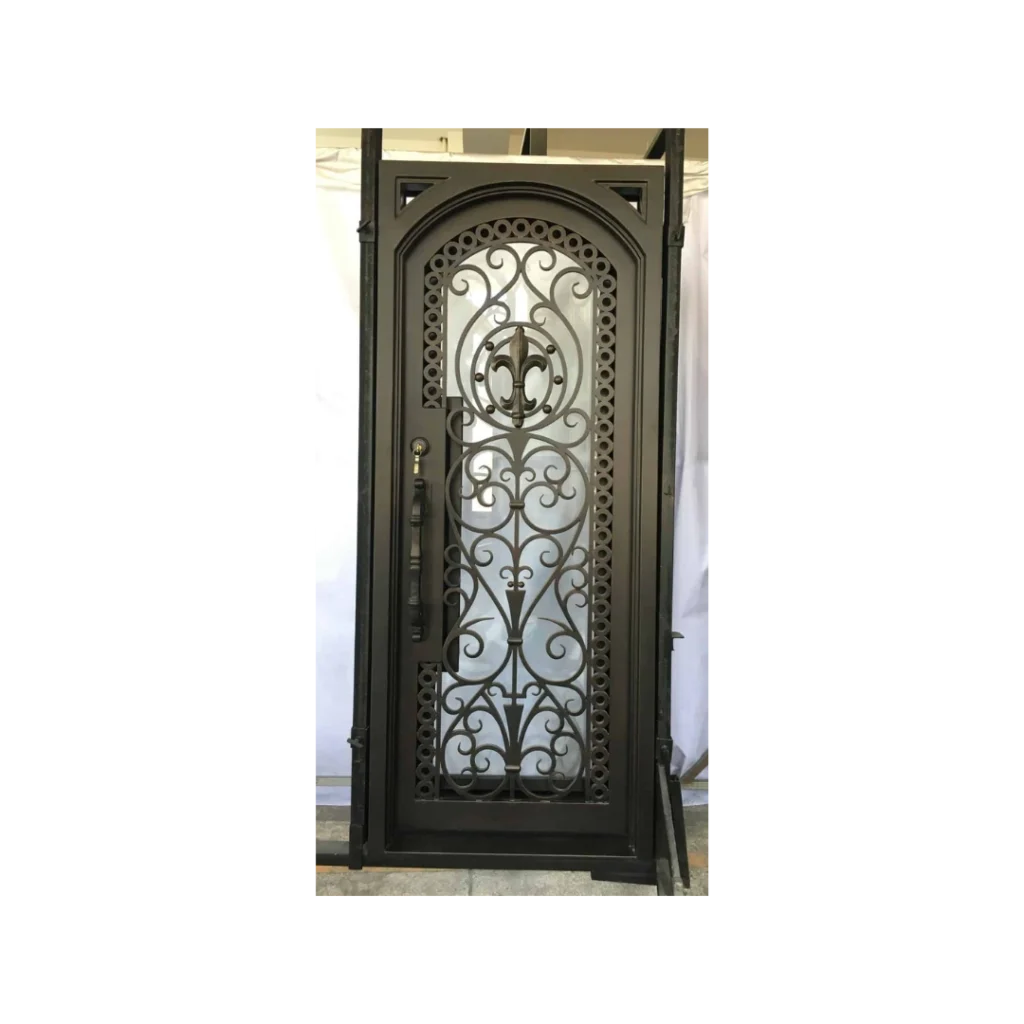
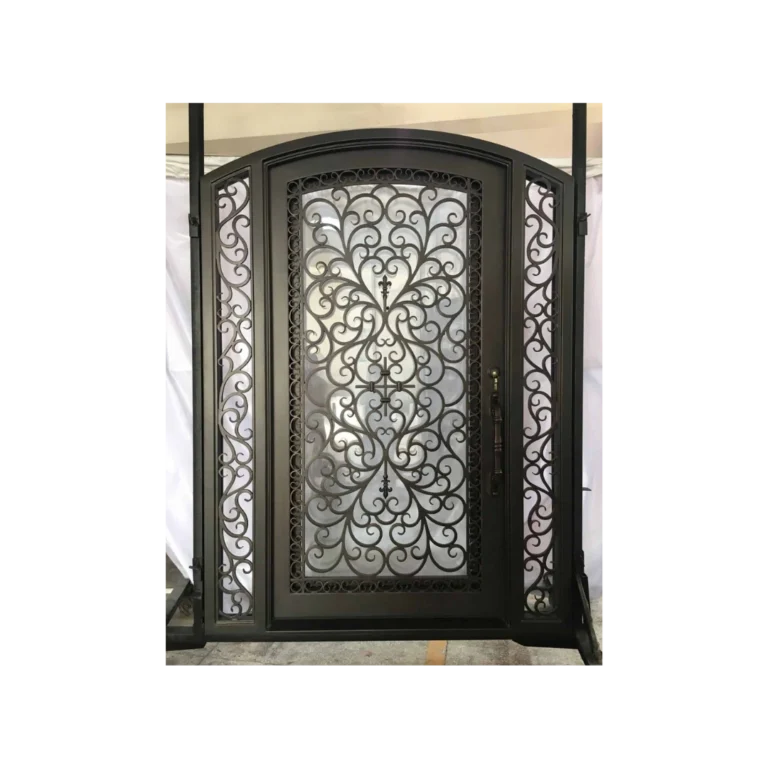
Single Custom Wrought Iron Door
After measurements are finalized, the fabrication process begins.
Custom iron doors are produced through several stages of manufacturing:
Fabrication timelines vary depending on design complexity. Simple designs may take several weeks, while intricate patterns may require additional manufacturing time.
Because iron doors are custom-built, this stage ensures both durability and structural stability.
Before installing the new door, the entryway must be prepared.
Preparation often includes:
Wrought iron doors are significantly heavier than many standard residential doors. For this reason, installers must verify that the surrounding structure can support the door’s weight.
This preparation stage ensures that the iron entry door installation proceeds smoothly.
The final step is the actual installing wrought iron doors process.
During the iron entry door installation, installers carefully secure the frame, align the hinges, and seal the door to ensure proper operation and insulation.
Professional installers typically follow several steps:
Proper alignment is essential because heavy doors can place pressure on hinges if installed incorrectly.
This is one reason why professional installation is strongly recommended for iron doors.
For a detailed, step-by-step walkthrough of installation day itself — including timeline and what to expect — see our What to Expect During Iron Door Installation guide.
The complete process—from design consultation to final installation—can take several weeks.
Below is a typical timeline for custom iron door projects.
|
Project Stage |
Typical Time |
|
Design and consultation |
1–2 weeks |
|
Measurement and planning |
Several days |
|
Fabrication |
8–12 weeks |
|
Installation |
3–6 hours |
The installation itself is usually completed in a single day, but fabrication and preparation stages require more time.
If you are researching pricing and timelines, our guide on how much custom wrought iron doors cost explains how customization and installation complexity influence overall project timelines.
Installing iron doors involves a few important considerations that homeowners should be aware of.
Installing iron doors involves a few important considerations that homeowners should be aware of.
Entryways must have sufficient structural framing to handle the load of the door and frame.
Proper weather stripping prevents air leaks and improves insulation performance.
Many custom doors include decorative glass panels that must be handled carefully during installation.
Understanding these factors helps homeowners prepare their entryways before installation begins.
The installation process can also vary depending on whether the door is custom-built or prefabricated.
Custom doors are fabricated specifically for the opening, which can simplify installation because the frame and dimensions match the structure precisely.
Prefabricated doors, on the other hand, are manufactured in standard sizes. In some cases, installers may need to adjust the opening to fit the door.
To understand the differences in more detail, see our comparison guide on custom vs prefabricated wrought iron doors.
Although some homeowners attempt DIY door installation, iron doors require specialized tools and expertise.
Professional installers ensure:
Incorrect installation can lead to issues such as door misalignment, air leaks, or hinge strain.
Because of the door’s weight and complexity, professional installation is generally recommended.
If you’re researching iron entry doors in more detail, these resources may help:
For a complete overview of materials, design options, and durability, see our Custom Wrought Iron Doors Complete Guide.
If you’re comparing styles before choosing a design, explore our guide to Wrought Iron Door Designs & Styles.
For a deeper explanation of project budgeting and pricing factors, read How Much Custom Wrought Iron Doors Cost.
These guides provide additional information that complements the installation process.
Homeowners researching installation often ask the following questions about the custom wrought iron door installation process.
The custom wrought iron door installation process typically includes several steps: removing the existing door, preparing the structural opening, positioning and anchoring the new iron door frame, hanging the door panels, and sealing the frame with weather stripping. Because iron doors are heavy and precisely fabricated, professional installers ensure the frame is aligned correctly and the door operates smoothly.
The physical iron door installation usually takes between 3 and 6 hours depending on the size of the door and the condition of the entryway. However, the full project timeline can take several weeks because custom doors must first go through design consultation, measurement, fabrication, and delivery before installation begins.
Yes. Professional installation is strongly recommended for wrought iron doors because they are significantly heavier than standard residential doors. Proper alignment, structural anchoring, and weather sealing are essential to ensure long-term durability and smooth operation.
Most entryways can support a wrought iron door if the surrounding framing is structurally sound. In some cases, installers may reinforce the opening or adjust the frame to accommodate the additional weight and ensure a secure installation.
Understanding the custom wrought iron door installation process helps homeowners plan their projects with confidence. From design consultation and measurement to fabrication and installation, each step plays an important role in ensuring the door fits properly and functions smoothly.
Although the process involves multiple stages, the result is a durable, secure, and visually striking entryway. With professional installation and proper structural support, wrought iron doors can provide long-lasting performance while enhancing the architectural character of a home.
Related Articles


Member National Association of Home Builders (NAHB)